Posts

You can eat and drink

Image
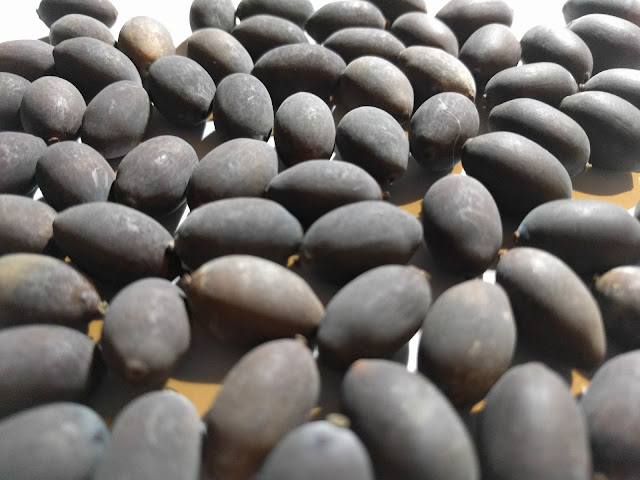
Picture 1-2:  Ooga-Lotus 蓮の種 (exactly: オオガハス [大賀蓮] スイレン科, Nelumbo nucifera) Picture 3-4:  Tea tree or tea plant ( 茶の木 の種), Camellia sinensis

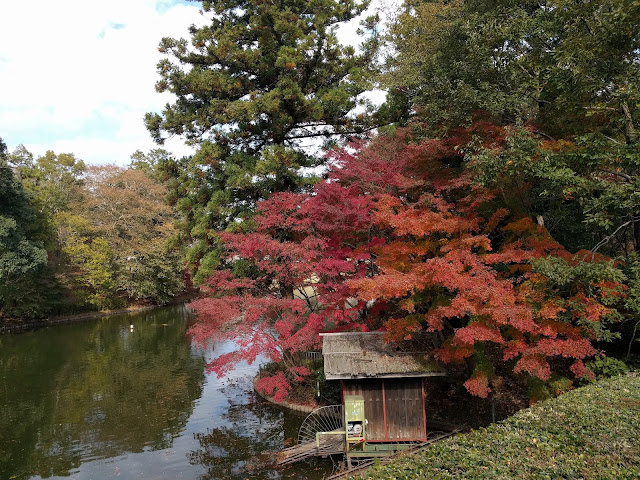
Autumn colors arrived

Image
Changing colors (November 6-20)  seen in the park of the "Kawamura Memorial DIC Museum of Art" in Sakura Homepage November 6 November 9 November 13 November 16 November 18 November 20 November 24

The Season's Upon Us

Image
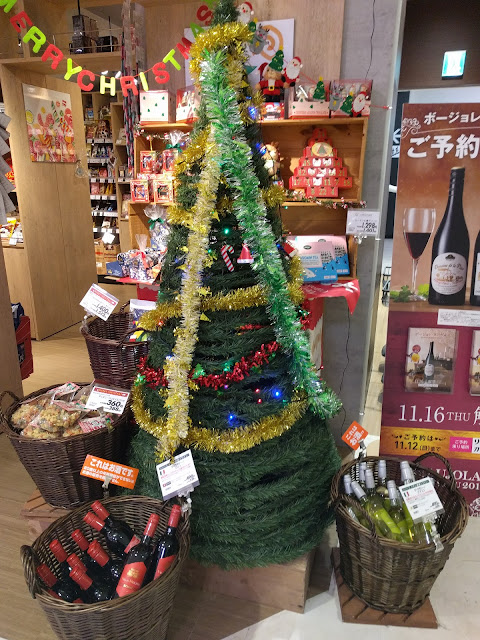
Taken in a department store in Narita on November 3, 2017. In Japan, seasons are not related to nature anymore - they are mostly related to shopping events. Beginning with November 1st, we have left the Halloween season and entered the Christmas season. So instead of "Merry Christmas" it might become "Merry Shopping". If you visit shops in this season, you are getting to hate Christmas songs. Wish I could hear this one more often instead: The Season's Upon Us I haven't seen yet the first Christmas illuminations on garden fences, trees or houses but they are following the shopseason's footsteps.

Japanese "jam" / spreads

Image
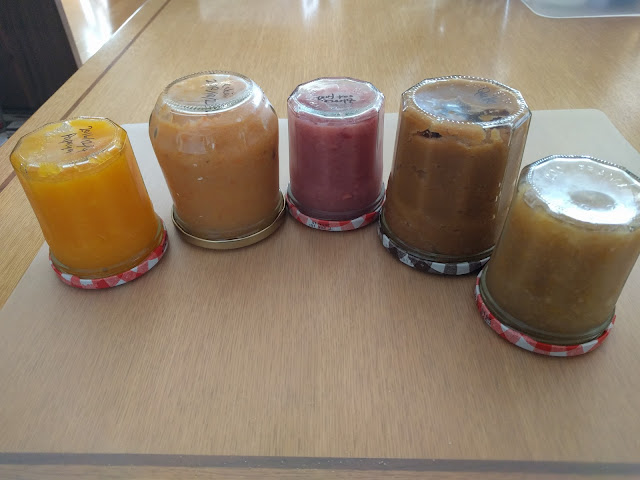
What do you eat for breakfast when living in Japan? Is it Muesli/Yoghurt/fruits as I do during weekdays or is it bread, butter and jam as I do on the weekend mornings? Unfortunately, Japanese shops/supermarkets mainly carry strawberry and blue-berry jam. Recently, it seems to have changed, the number of different fruit jams has increased but, unfortunately, the price situation has not improved. 500 Yen for 100g jam is just intolerable, especially, if you consider that half of it is sugar. There is a very easy solution to this problem. DIY. left to right: Papaya, Kaki, Lemon-Pomegrenade, Quince, Grapefruits. Not shown, because already eaten are Apple, Mikan, Kiwi and others. I usually buy some price-reduced fruits. Japanese are very picky about the appearance of fruits which, most times, has nothing to do with quality. So supermarkets need to reduce the price to be able to sell it. How to make? Clean the fruits well and put them into a cooking pot. In the case of lemon...
The Book of the Hakutaku: a Bestiary of Japanese Monsters

If you are in monsters and ghosts, you might be interested to help starting a new book on Kickstarter. The Book of the Hakutaku: a Bestiary of Japanese Monsters A fully illustrated encyclopedia of yokai: ghosts, spirits & monsters of traditional Japanese folklore. Over one hundred illustrations!  by Matthew Meyer@ Yokai.com Become a supporter here: LINK to Kickstarter

Yamata no Orochi - or how you can get killed by Sake

Image
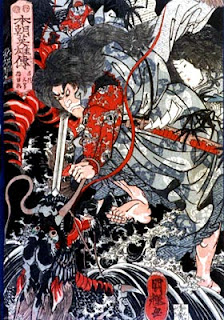
Do you know where the sword of the Japanese emperors, Kusanagi no Tsurugi , one of the three pieces of the imperial regalia, comes from. Obviously you know it is from Amaterasu , the sun goddess. But where did she get it from? Short answer: it is a gift from her brother Susanoo who found it stuck in the legendary eight-headed, eight-tailed serpent Yamata no Orochi (八岐大蛇). He killed the serpent after feeding it strong sake. The same method is still used today by some bars - you are lucky, you don't lose your head, just your wallet. Long answer is told e.g. on Yokai.com, the online database of Japanese ghosts and monsters. Read it here . Picture is from Wikipedia LINK You can see the serpent in natura at the Hamada Children’s Museum of Art in Shimane Prefecture. Picture

Earthquake Experience Vehicle "mamoru-kun / まもるーくん"

Image
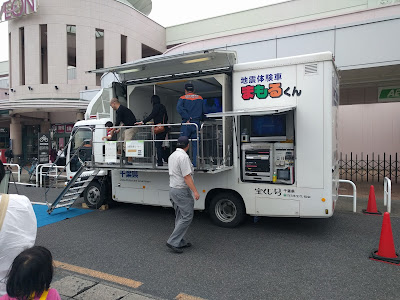
Earthquake simulation vehicle "mamoru-kun" If you are new to Japan and have never experienced an earthquake, try a simulation in this vehicle. It simulates the earth movements of an earthquake up to level 7 (the highest level of the Japanese scale). However, don't get fooled - a real big one, like the 2011 earthquake, just feels different. From the outside, look at the movements of the inner parts, that can give you an imagination of how much the earth actually moves. Usually, this vehicle is managed by the fire-brigade. If you stay at a hotel in Japan, ask the front to check with the local fire-brigade, if there is a visit possible.